In Libya, institutional and governance fragmentation at both national and local levels continues to represent a significant obstacle to the country’s stabilization and sustainable development. In this context, Italian Cooperation plays a strategic role in strengthening the capacities of public authorities, improving the delivery of essential services in key sectors, promoting economic and financial development, as well as protecting the environment and managing natural resources, thereby contributing to the creation of conditions for inclusive and lasting growth.
Within the framework of the 2030 Agenda and in line with the 2024–2026 Three-Year Programming and Policy Planning Document (DTPI) of the Italian Ministry of Foreign Affairs and International Cooperation (MAECI), as well as the “Memorandum of Understanding on Development Cooperation between the Government of the Italian Republic and the Government of the State of Libya” (2024), Italian Cooperation in Libya adopts an integrated, multidisciplinary and systemic approach aimed at supporting the country’s stability and promoting, over the medium to long term, dynamics of sustainable and inclusive development. Furthermore, Italian Cooperation is aligned with the European Commission’s Strategy and Special Measure for Libya 2025–2027 and is based on an in-depth analysis of the country’s needs and opportunities, drawing on primary and secondary sources, as well as on a continuous consultation process with local, national and international stakeholders.
In compliance with the Guidelines on the Humanitarian–Development–Peace Nexus (DTPI 2024–2026), Italian Cooperation’s action is calibrated to a context characterized by structural fragility and protracted crisis, where humanitarian needs persist alongside the need for structured dialogue to foster social cohesion, national reconciliation, and the implementation of reforms in the economic, governance and human rights sectors. In this context, Italian Cooperation operates by enhancing operational synergies and strategic complementarities between bilateral and delegated cooperation initiatives and the actions of other institutional actors of the Italian System in Libya, in order to optimize resources and amplify the impact of interventions, while recognizing the central role of civil society and the private sector. Moreover, across its initiatives, Italian Cooperation seeks to systematically integrate key cross-cutting priorities such as gender inclusion, women’s empowerment, innovation and digitalization, and the inclusion of persons with disabilities.
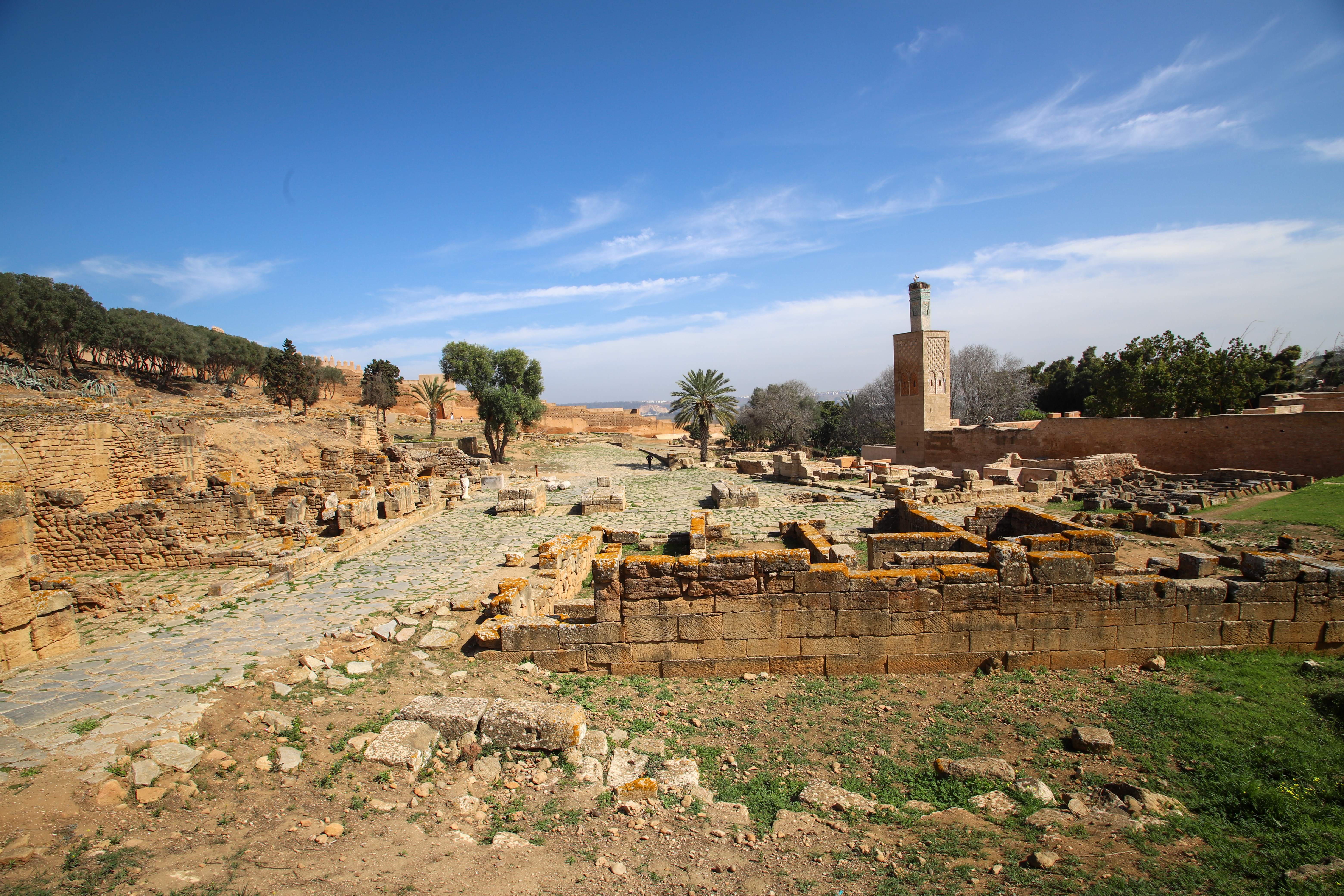
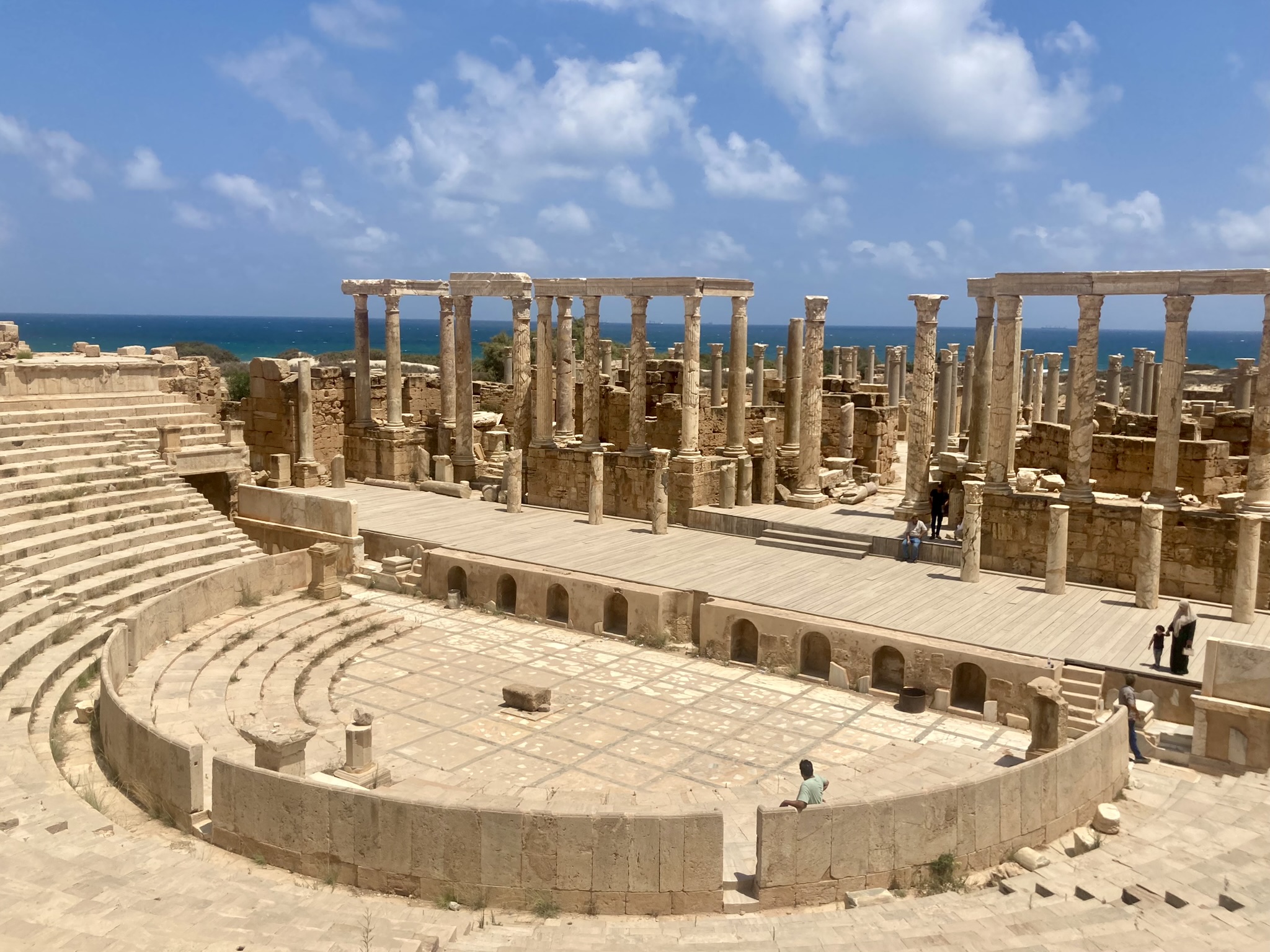
From a Sustainable Development perspective, Libya’s path toward sustainable economic recovery and inclusive growth depends on its ability to address deep institutional weaknesses, reform fiscal and financial management, and promote private sector development through improved access to finance and skills alignment. In the Health Sector, Italian Cooperation continues to play a crucial role in strengthening the technical, managerial and clinical capacities of medical and healthcare personnel, alongside reinforcing prevention and epidemiological surveillance. It has also consistently supported actions based on the One Health approach, which recognizes the interconnection between human health, animal health and environmental health, promoting integrated strategies to prevent, detect and respond to emerging health risks, particularly zoonotic diseases and environmental contamination. In line with this vision, in the field of Environmental Protection and Natural Resource Management, Italian Cooperation will expand its contribution to actions consistent with the water–energy–food nexus, renewable energy, the protection of urban, landscape and cultural heritage, as well as disaster risk reduction (DRR).
In terms of Humanitarian Response, Italian Cooperation is engaged in the field of humanitarian demining through funding to UNMAS, within a framework of civil–military synergy for the benefit of Libya, also supporting the revival of economic activities in contaminated areas. Furthermore, in light of the high level of needs and requests expressed by Libyan counterparts, Italian Cooperation’s action is also oriented toward responding to the refugee crisis originating from Sudan.