Libye

Le siège régional de l’AICS à Tunis, responsable des activités de coopération pour la Libye, en 2016, a fourni une assistance technique, la gestion et le suivi des programmes financés par la Coopération italienne afin d'assurer une réponse adéquate à la crise humanitaire en cours en Libye.

IMG_7845

In Libya, institutional and governance fragmentation at both national and local levels continues to represent a significant obstacle to the country’s stabilization and sustainable development. In this context, Italian Cooperation plays a strategic role in strengthening the capacities of public authorities, improving the delivery of essential services in key sectors, promoting economic and financial development, as well as protecting the environment and managing natural resources, thereby contributing to the creation of conditions for inclusive and lasting growth.

Within the framework of the 2030 Agenda and in line with the 2024–2026 Three-Year Programming and Policy Planning Document (DTPI) of the Italian Ministry of Foreign Affairs and International Cooperation (MAECI), as well as the “Memorandum of Understanding on Development Cooperation between the Government of the Italian Republic and the Government of the State of Libya” (2024), Italian Cooperation in Libya adopts an integrated, multidisciplinary and systemic approach aimed at supporting the country’s stability and promoting, over the medium to long term, dynamics of sustainable and inclusive development. Furthermore, Italian Cooperation is aligned with the European Commission’s Strategy and Special Measure for Libya 2025–2027 and is based on an in-depth analysis of the country’s needs and opportunities, drawing on primary and secondary sources, as well as on a continuous consultation process with local, national and international stakeholders.

In compliance with the Guidelines on the Humanitarian–Development–Peace Nexus (DTPI 2024–2026), Italian Cooperation’s action is calibrated to a context characterized by structural fragility and protracted crisis, where humanitarian needs persist alongside the need for structured dialogue to foster social cohesion, national reconciliation, and the implementation of reforms in the economic, governance and human rights sectors. In this context, Italian Cooperation operates by enhancing operational synergies and strategic complementarities between bilateral and delegated cooperation initiatives and the actions of other institutional actors of the Italian System in Libya, in order to optimize resources and amplify the impact of interventions, while recognizing the central role of civil society and the private sector. Moreover, across its initiatives, Italian Cooperation seeks to systematically integrate key cross-cutting priorities such as gender inclusion, women’s empowerment, innovation and digitalization, and the inclusion of persons with disabilities.

From a Sustainable Development perspective, Libya’s path toward sustainable economic recovery and inclusive growth depends on its ability to address deep institutional weaknesses, reform fiscal and financial management, and promote private sector development through improved access to finance and skills alignment. In the Health Sector, Italian Cooperation continues to play a crucial role in strengthening the technical, managerial and clinical capacities of medical and healthcare personnel, alongside reinforcing prevention and epidemiological surveillance. It has also consistently supported actions based on the One Health approach, which recognizes the interconnection between human health, animal health and environmental health, promoting integrated strategies to prevent, detect and respond to emerging health risks, particularly zoonotic diseases and environmental contamination. In line with this vision, in the field of Environmental Protection and Natural Resource Management, Italian Cooperation will expand its contribution to actions consistent with the water–energy–food nexus, renewable energy, the protection of urban, landscape and cultural heritage, as well as disaster risk reduction (DRR).

In terms of Humanitarian Response, Italian Cooperation is engaged in the field of humanitarian demining through funding to UNMAS, within a framework of civil–military synergy for the benefit of Libya, also supporting the revival of economic activities in contaminated areas. Furthermore, in light of the high level of needs and requests expressed by Libyan counterparts, Italian Cooperation’s action is also oriented toward responding to the refugee crisis originating from Sudan.
Italian Cooperation in Libia

The framework for development programming in Libya lacks a long-term strategic vision and an integrated, binding national plan. Libya has a plurality of policy instruments and sectoral strategies; however, a range of governance-related factors, including weaknesses in monitoring, evaluation and data management, together with political instability and institutional fragmentation, continue to hinder the full operationalization of these programming tools, making it difficult to ensure coherence between strategic objectives, resource allocation and implementation.

The main reference document is Vision 2030 – Ihya Libya, the country’s long-term national strategic framework adopted in 2021, which defines the overall direction of public policies up to 2030. It is a vision and policy guidance document rather than an operational plan, aimed at guiding post-conflict reconstruction and development. Vision 2030 structures national objectives around four main pillars: stability and security; economic development and diversification; human development; and strengthening governance and institutions. It is formally aligned with the United Nations 2030 Agenda and the Sustainable Development Goals (SDGs). Institutionally, Vision 2030 serves as a reference framework for sectoral strategies and government policies, but it is not accompanied by a medium-term plan, a financial framework, or structured monitoring and evaluation mechanisms. Its effectiveness therefore depends on the capacity of institutions to translate strategic orientations into coherent and funded implementation programs, which currently remain weak.

A key actor in the programming structure is the National Economic and Social Development Board (NESDB), which reports to the Libyan Council of Ministers and serves as a technical and consultative platform for the formulation of economic and social policies and for the harmonization of public policies with relevant ministries. In the water sector, in 2025 the NESDB launched the National Water Strategy, aimed at addressing structural challenges such as water scarcity, network inefficiencies and the sustainability of water resources. This strategy centrally involves the Ministry of Water Resources and seeks to improve sector governance, demand management, and the integration of technologies and renewable energy into supply systems.

In addition, the Libyan government has adopted other sectoral instruments in areas considered strategically important. A National Food Security Strategy 2025–2035 has been approved, developed with the involvement of key ministries such as Agriculture, Economy and Planning, and formally adopted by the Prime Minister, with the objective of increasing local production and strengthening the resilience of food systems. In the energy sector, the Ministry of Oil and Gas and the Renewable Energy Authority of Libya have promoted a national strategy for renewable energy and energy efficiency up to 2035, aimed at diversifying the energy mix and improving the sustainability of the electricity system.

In Libya, Italian Cooperation plays an active and strategic role within numerous coordination platforms and exercises across the main sectors of intervention. The Italian Embassy in Tripoli and AICS ensure continuous participation in the country’s main multilateral coordination mechanisms.

It should be noted that, starting in 2025, Italy has co-chaired with UNMAS the first support group for mine action in Libya, namely the Libya Mine Action Support Group (LMASG), aimed at strengthening coordination and support for mine action activities in the country. In Libya, this coordination is particularly important given the limited availability of funding for mine action and unexploded ordnance clearance. In October 2025, the first LMASG meeting was held in Tripoli at the Libyan Ministry of Defense, where Italy’s contribution to clearance operations in contaminated areas was formally recognized, highlighting its positive impact on strengthening population security, mitigating risks and preventing accidents and new contamination, to the benefit of local communities.

In Libya, Italian Cooperation has established a constructive dialogue with International Financial Institutions (IFIs), such as the World Bank and the African Development Bank, in order to explore opportunities for synergies, co-financing and joint initiatives, particularly in promoting the country’s economic and financial sector to foster long-term dynamics of sustainable and innovative development. In 2026, the objective is to assess concrete opportunities for shared projects, especially in the field of policy support and specialized technical assistance to Libyan institutions in the relevant sectors.

Since late 2025, Italian Cooperation has been among the key stakeholders involved in defining a new country coordination mechanism, which will replace the current Humanitarian–Development–Peace Nexus Working Group and will be called the Development Partners Dialogue (DPD).

Institutional fragmentation and limited governance capacity at national and local levels remain significant challenges to the country’s stabilization and sustainable development. The EU and its Member States play a crucial role in strengthening the capacities of national and local authorities, thereby creating the conditions for sustainable growth and stability. The European Union’s intervention in Libya is therefore oriented toward strengthening governance and institutional stability through support to local authorities, sustainable management of natural resources, and the promotion of essential services and socio-economic opportunities. Improving service delivery at the municipal level, while simultaneously strengthening the coordination and oversight capacities of national institutions, remains a fundamental state-building and stabilization tool in Libya.

EU interventions are mainly financed through the Neighbourhood, Development and International Cooperation Instrument – Global Europe (NDICI), the EU’s main financial framework for external action for the 2021–2027 period. In the absence of an Association Agreement or a formal cooperation framework with Libya, since 2017 the EU has adopted a flexible, context-sensitive approach, modulating priorities and resources through annually approved Special Measures. This mechanism allows interventions to be adapted to the evolving political, institutional and security context, promoting coherent and targeted actions while operating in a highly volatile environment characterized by limited implementation capacity of Libyan national and local institutions. The EU priorities for Libya for the 2025–2027 period are:

  1. Support to governance and stabilization in Libya

  2. Support to economic growth and digital transformation in Libya

  3. Support to climate, energy and environmental actions in Libya

Humanitarian–Development–Peace Nexus and the Three-Year Programming and Policy Planning Document (DTPI 2024–2026):

Within the framework of the 2030 Agenda, Italian Cooperation in Libya operates in coherence with the Guidelines on the Humanitarian–Development–Peace Nexus (DTPI 2024–2026), promoting an integrated and coherent approach suited to a context characterized by structural fragility and protracted crisis.

In this framework, the development of the strategic vision for Italian Cooperation Programming in Libya is the result of a continuous, structured and constructive process of multi-level coordination, consultation and analysis. The Italian Embassy and AICS work in close and constant coordination on strategic, operational and monitoring aspects of cooperation initiatives, including engagement with Libyan authorities and other relevant stakeholders, both international and local, field visits to bilateral and delegated cooperation interventions, and the development of new project proposals. This consultation and operational synergy process involves all institutional actors of the Italian System present in the country, including the Embassy’s Economic-Commercial Office and Cultural Office, ICE Agency, the Ministry of the Interior—particularly through the Migration Expert—the Bilateral Assistance and Support Mission in Libya (MIASIT), Civil-Military Cooperation (CIMIC) structures, the Guardia di Finanza, and the Defense Attaché.

With regard to external stakeholders, in addition to participating in the main coordination platforms, Italian Cooperation promotes and intends to further strengthen dialogue and collaboration with civil society, local authorities, academia and the private sector, recognizing their key role in the implementation of effective, inclusive and sustainable interventions.

In Libya, Italian Cooperation aims to consolidate this dialogue and collaboration process through the adoption of shared tools with the institutional actors of the Italian System, in order to identify common objectives according to an area-based, integrated and multidisciplinary approach. The goal is to define partnerships and intervention modalities to be implemented in a synergistic, complementary and coordinated manner, within a system-wide perspective that strengthens programming coherence, reduces the risk of intervention fragmentation, and at the same time amplifies the overall impact of initiatives and Italy’s role in Libya.

As a ‘pilot’ experience of this shared operational exercise of the Italian System, Italian Cooperation proposes to facilitate and implement it in Libya for the first time within the framework of the delegated cooperation project Baladiyati III, across four sectors of intervention: water resource management, health, economic development and promotion of cultural heritage.

In Libya, the general institutional, legal and financial framework applicable to Italian Cooperation activities in the country is regulated by the “Memorandum of Understanding on Development Cooperation between the Government of the Italian Republic and the Government of the State of Libya”, signed in Tripoli on 29 October 2024 on the occasion of the first Italy–Libya Business Forum. Although the Memorandum of Understanding does not define a sectoral programming framework for Libya, as is the case in other cooperation countries where a Framework Cooperation Agreement is in place, it recognizes the role of AICS in the country and establishes that project implementation shall be carried out by mutual agreement between the parties at all stages (proposal, design and implementation).

Jointly with the Italian Embassy, in 2025 AICS launched a structured consultation process with the Libyan Government, and in particular with the Ministry of Foreign Affairs (MoFA), aimed at establishing an Italy–Libya coordination platform. This mechanism seeks to strengthen operational and programmatic coordination on Italian Cooperation initiatives already underway or in the pipeline, as well as to enable the joint definition of a shared programming framework, potentially on a multi-year basis, following an integrated approach in sectors of mutual interest. In this context, the Libyan MoFA acts as the focal point for managing dialogue and coordination between Italian Cooperation, relevant ministries, and other Libyan entities and stakeholders involved.

Despite the absence of a formally adopted Multiannual Strategic Document, the vision underpinning Italian Cooperation Programming in Libya is based on an integrated, multidisciplinary and systemic approach aimed at strengthening the capacities of national and local authorities, supporting the country’s growth and stability, and promoting sustainable and inclusive development over the medium to long term. The Programming is aligned with the European Union’s strategy and Special Measures for Libya 2025–2027 and is grounded in a careful analysis of needs and opportunities in the country, enhancing operational synergies and strategic complementarities between bilateral and delegated cooperation initiatives and the interventions of other institutional actors of the Italian System in Libya, while recognizing the central role of civil society and the private sector.

Italian Cooperation is committed to strengthening governance and institutional stability in Libya through support to national and local authorities, the promotion of sustainable natural resource management, improved access to services, and support for inclusive socio-economic opportunities, in line with EU Programming.

In terms of Humanitarian Response, Italian Cooperation intends to renew its commitment and strategic role in the humanitarian demining sector through funding to UNMAS, within a framework of civil–military synergy for the benefit of Libya, also supporting the revival of economic activities in contaminated areas. Furthermore, in light of the high level of needs and requests expressed by Libyan counterparts, Italian Cooperation’s action will once again be oriented toward responding to the Sudan Refugee Crisis.

Beyond the areas of intervention defined in the initiatives section, the interventions of Italian Cooperation in Libya can be grouped around specific themes considered particularly relevant to the current development context.

These factsheets provide a comprehensive overview of all ongoing and planned initiatives of Italian Cooperation in Libya related to a specific theme and offer insights into the national context. They also contribute to strengthening coordination among the various technical and financial partners operating in Libya, with a view to identifying potential synergies with Italian Cooperation projects.

  • WASH
  • Education and vocational training 
  • Migration
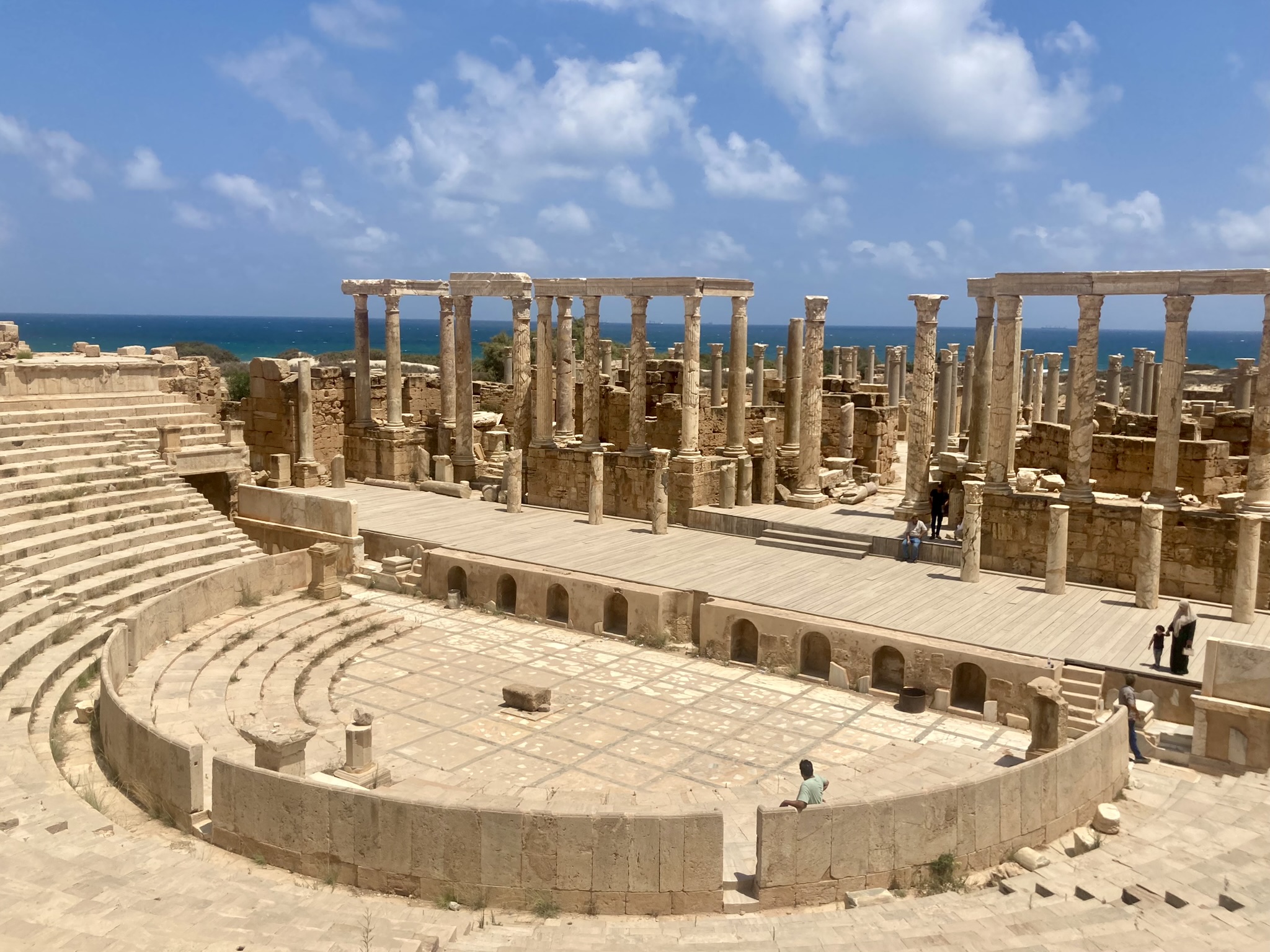
  • Cultural Heritage
  • Health

Dernière mise à jour: 03/02/2026, 9:15

Algérie

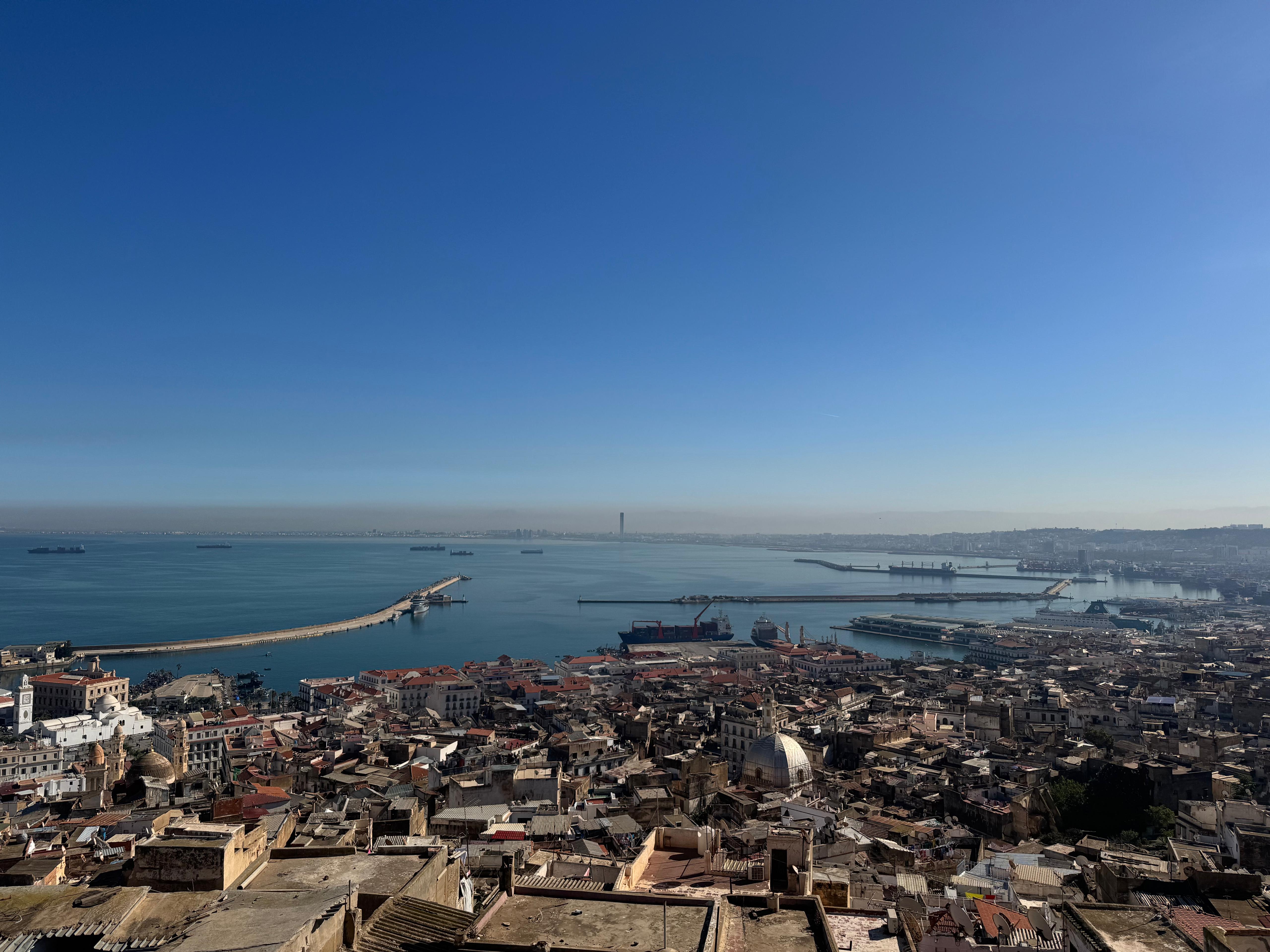
La Coopération italienne soutient l'Algérie depuis les années 70 par des interventions en faveur du développement du pays, particulièrement dans la construction d'ouvrages publics, du soutien à l'industrie et à l'agriculture, de la restauration et de la protection du patrimoine culturel.

Algérie
En savoir plus La Coopération italienne soutient l'Algérie depuis les années 70 par des interventions en faveur du développement du pays, particulièrement dans la construction d'ouvrages publics, du soutien à l'industrie et à l'agriculture, de la restauration et de la protection du patrimoine culturel.

Maroc

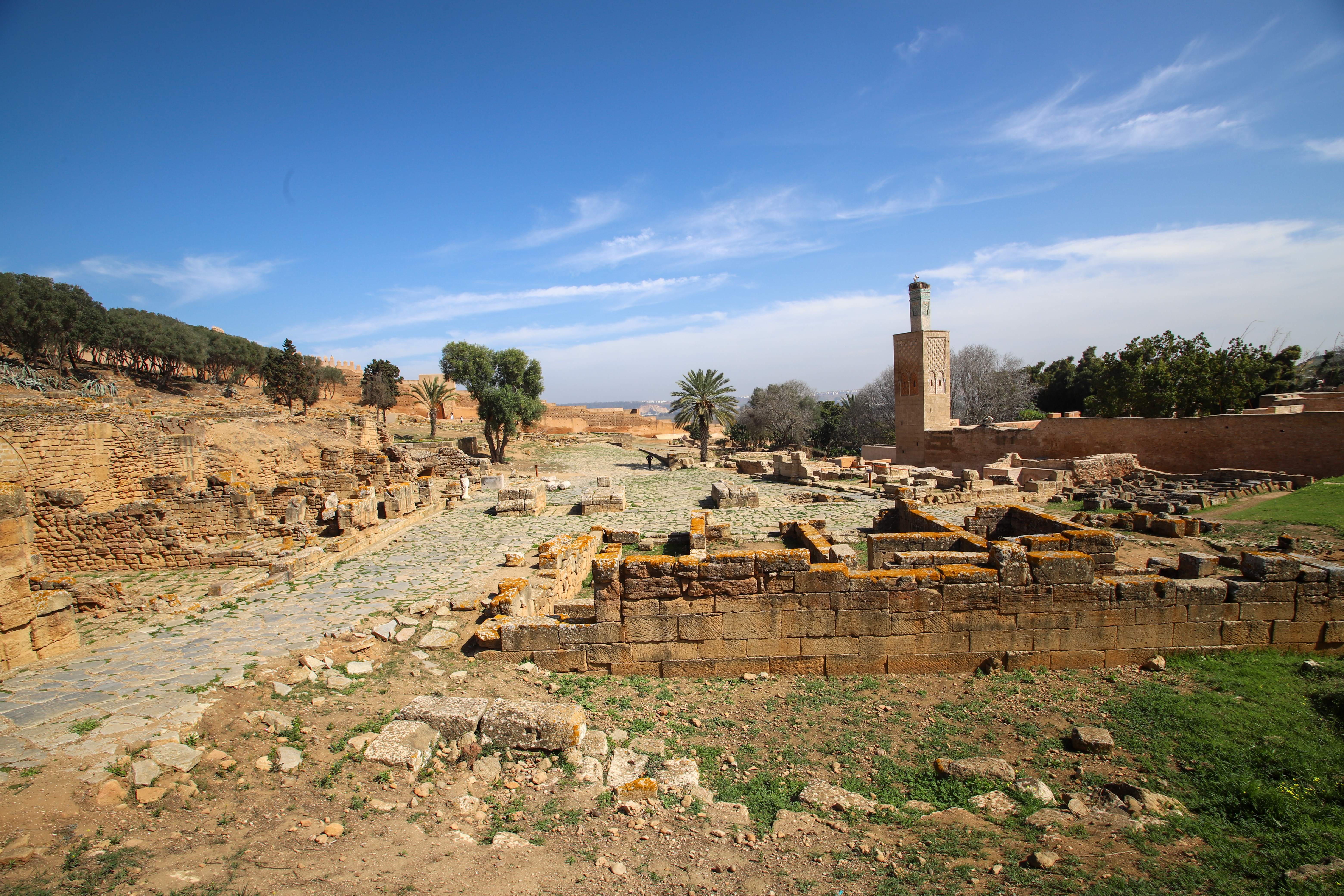
La Coopération au développement a joué, depuis les années 60, un rôle important dans les relations entre l'Italie et le Maroc. Le premier accord de Coopération technique et financière entre les deux pays signé à Rome en 1961.

Maroc
En savoir plus La Coopération au développement a joué, depuis les années 60, un rôle important dans les relations entre l'Italie et le Maroc. Le premier accord de Coopération technique et financière entre les deux pays signé à Rome en 1961.

Tunisie

L'Italie est l'un des principaux bailleurs de fonds de la Tunisie en matière de coopération au développement. La Coopération italienne est présente de manière continue dans le pays depuis sa création à la fin des années 1980

Tunisie
En savoir plus L'Italie est l'un des principaux bailleurs de fonds de la Tunisie en matière de coopération au développement. La Coopération italienne est présente de manière continue dans le pays depuis sa création à la fin des années 1980

Partenaires Tunisie

En savoir plus

Partenaires Maroc

En savoir plus

Partners Libia

En savoir plus

Partenaires Algérie

En savoir plus

Appels d’offres Entités tierces

Cette section publie des rapports sur les appels d'offres et les missions pour la fourniture de biens et de services dans le cadre de projets de coopération.

En savoir plus Cette section publie des rapports sur les appels d'offres et les missions pour la fourniture de biens et de services dans le cadre de projets de coopération.

Partenaires

L'AICS de Tunis dans la mise en œuvre des initiatives financées par la coopération italienne compte sur des partenaires locaux, internationaux et de la société civile. Parmi ceux-ci, les institutions et les ministères tunisiens impliqués dans les initiatives du projet sont sans aucun doute les interlocuteurs privilégiés

Partenaires
En savoir plus L'AICS de Tunis dans la mise en œuvre des initiatives financées par la coopération italienne compte sur des partenaires locaux, internationaux et de la société civile. Parmi ceux-ci, les institutions et les ministères tunisiens impliqués dans les initiatives du projet sont sans aucun doute les interlocuteurs privilégiés

Coopération déleguée

L’Union européenne et ses pays membres représentent la plus grande source d’aide publique au développement à l’échelle mondiale (OCDE-CAD). En 2017, l’Union européenne a intégré les objectifs de développement durable (ODD) de l’Agenda 2030 dans son action de coopération à travers le « Nouveau consensus européen pour le développement », un cadre de référence stratégique pour les institutions et les […]

En savoir plus L’Union européenne et ses pays membres représentent la plus grande source d’aide publique au développement à l’échelle mondiale (OCDE-CAD). En 2017, l’Union européenne a intégré les objectifs de développement durable (ODD) de l’Agenda 2030 dans son action de coopération à travers le « Nouveau consensus européen pour le développement », un cadre de référence stratégique pour les institutions et les […]

La Directrice

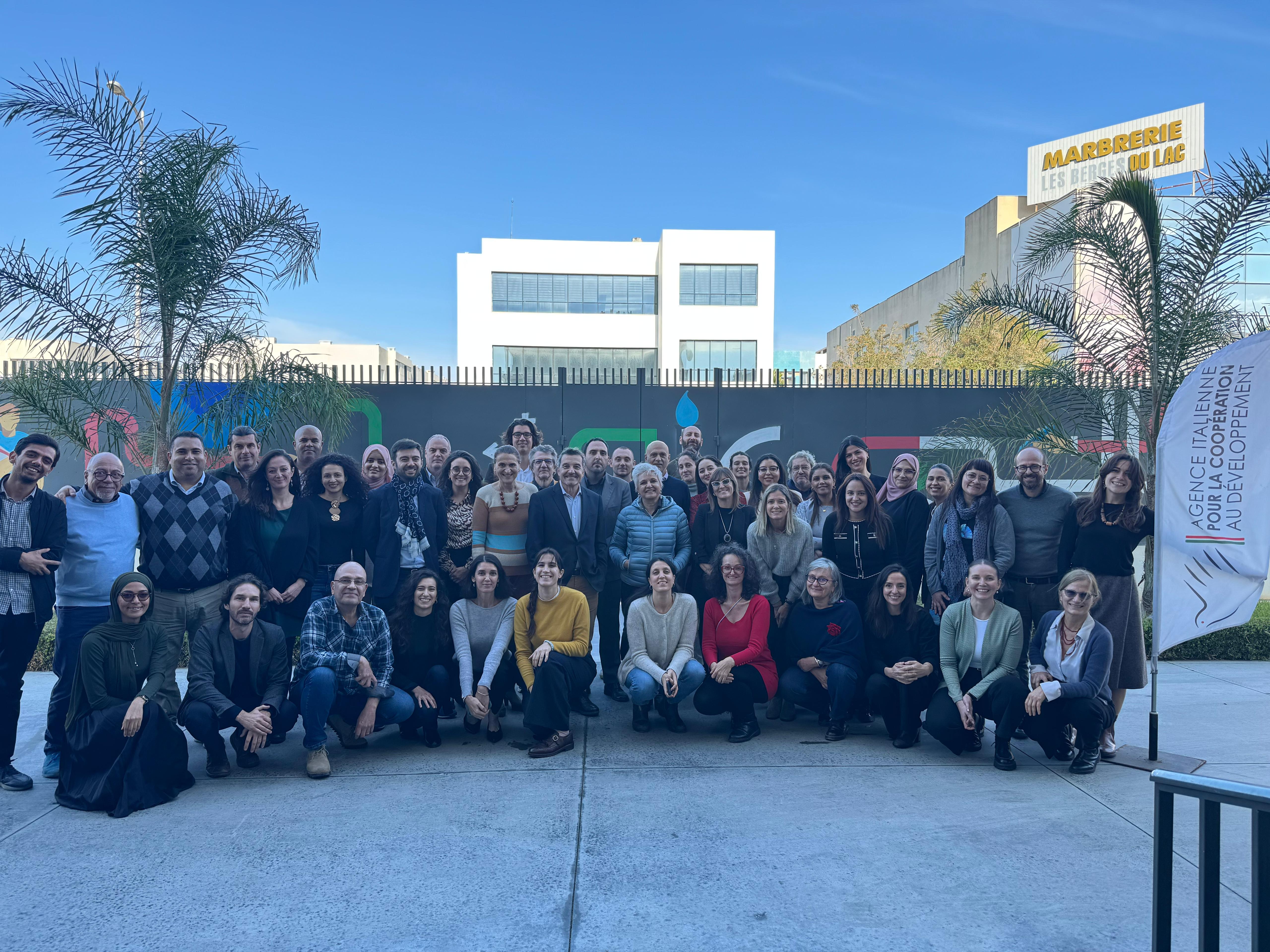
Mme Isabella Lucaferri est la directrice du Bureau Régional de l'AICS à Tunis, couvrant la Tunisie, la Libye, le Maroc et l'Algérie.

La Directrice
En savoir plus Mme Isabella Lucaferri est la directrice du Bureau Régional de l'AICS à Tunis, couvrant la Tunisie, la Libye, le Maroc et l'Algérie.

Mission

La compétence du bureau s'étend à plus de pays d'Afrique du Nord, incluant la Tunisie, la Libye, le Maroc et l'Algérie.

Mission
En savoir plus La compétence du bureau s'étend à plus de pays d'Afrique du Nord, incluant la Tunisie, la Libye, le Maroc et l'Algérie.